
How To Get Rid Of Fleas Naturally
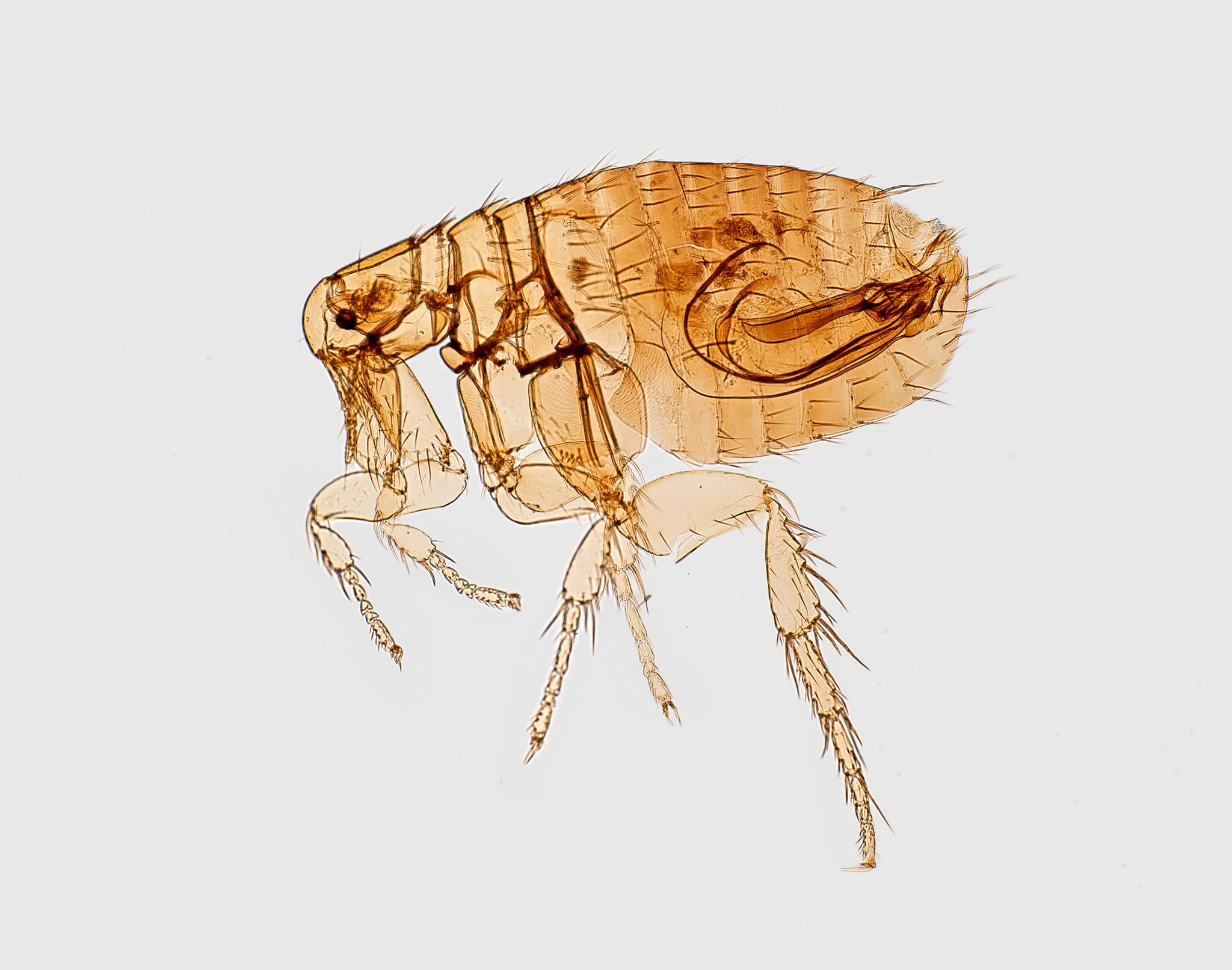
It's that time of year again...
Many pet parents lose their minds during the dreaded Flea Season, as they desperately scramble to fight these tenacious, six-legged pests with anything they can get their hands on, even to the detriment of their beloved two- and four-legged family members.
Most of the common topical and oral OTC and prescription flea preparations can cause very troublesome side effects, including severe allergic reactions, organ failure, seizures, and even death.
So what can we do?
Don’t worry.
The war on fleas can be won with some strategic foresight, preparation and perseverance – all without the danger of causing any collateral damage.
Let’s take a closer look, working from the outside in, at several ways we can keep fleas from gaining ground.
Tiny Bugs, Mighty Allies
Is it really possible to eradicate fleas before they have a chance to reproduce?
Yes!
In Spring, when soil temperatures top 45F, break out your garden sprayer and unleash the nematode beasts. These microscopic organisms feast on fleas and can be found at your local garden store.
I pre-order every year to be sure they arrive in early Spring.
Follow the easy instructions, and repeat applications in Summer and Autumn because a flea’s life cycle from eggs to larvae to pupae to adult can last several months.
Fossil Friends
Food-grade diatomaceous earth is a non-toxic, fine powder comprised of diatoms, or fossilized organisms.
DE breaks down flea egg exoskeletons, so they dry out and die before they hatch.
DE is safe to be used both indoors and out, so spread some on your lawn, and apply the powder wherever you have floor covering, then vacuum up after two days. Repeat monthly throughout flea season.
You can find DE at garden centers and holistic dog supply stores. (Note: DE dust can irritate lung cilia, so keep your dog safely sequestered, and wear a mask while applying, until the dust has settled.)
While we’re talking about lawns, though I am not fond of them, especially when it comes to mowing them, if you have grass, it’s best to keep it cut short.
You can also protect your outdoor-indoor transition zone with a container garden featuring naturally flea repellant plants like rosemary, lemon balm and sage.
The Fleck Test
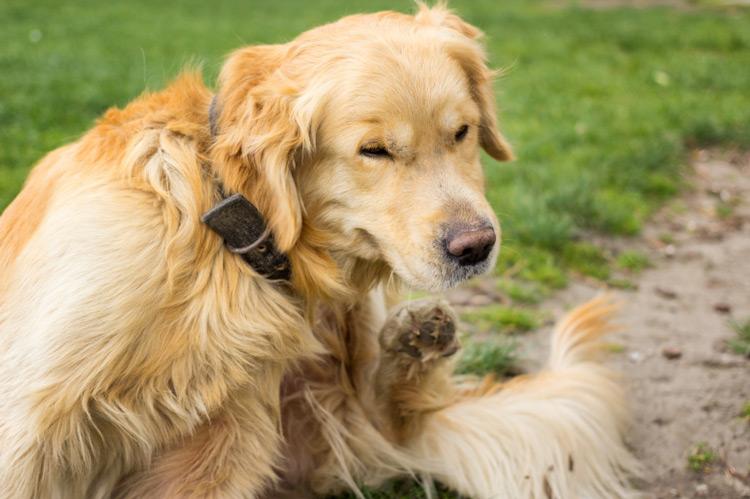
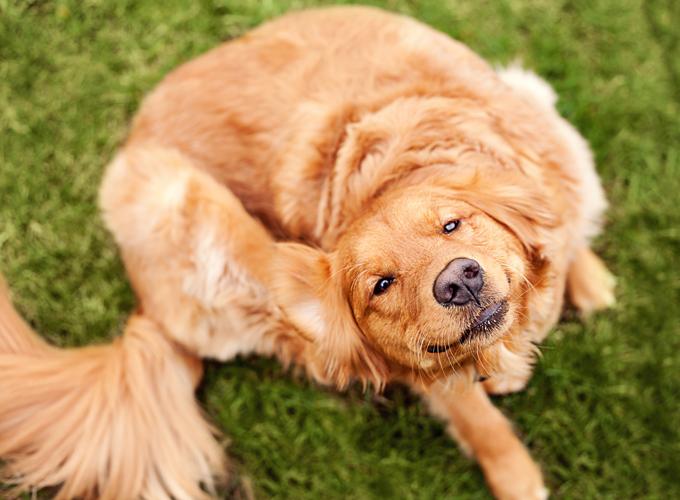
In order to determine whether your dog is harboring any stowaways that would just love to set up shop inside, take the fleck test.
Stand your dog on top of white, damp paper towels. Grab a fine-toothed flea comb, and start to groom your dog.
If you see any specks fall onto the wet towel and turn red or brown, your dog has fleas.
Time to get to work.
Brush, Brush, Brush and Lather, Rinse, Repeat
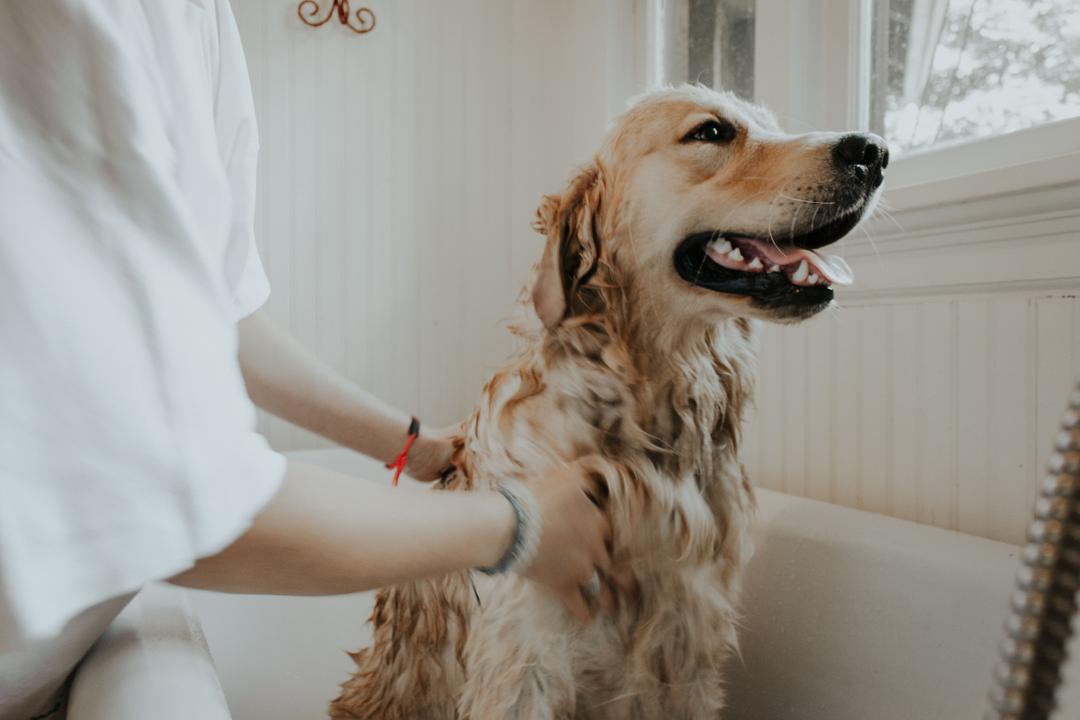
Keep your dog groomed between weekly baths with daily head to toe grooming sessions, starting with his face, working your way down to include ears, neck, torso, underbelly, legs, and all areas of the tail.
Wash your dog with all-natural citrus castile soap every week, and rinse with apple cider vinegar. You can also spray his skin and coat (avoiding eyes and any open wounds) with a solution of 4 ounces filtered water; 6 ounces raw, organic ACV; and ¼ teaspoon pink Himalayan or sea salt.
This can also serve to re-balance his skin’s pH, making it less appetizing to fleas. (Speaking of apple cider vinegar, this stuff works wonders internally as well.
It alkalizes a dog’s system, adds beneficial vitamins and minerals, especially potassium, and is easy to feed. Simply add ½ teaspoon per 25 pounds of body weight per day to food or water.
Keep an eye on your dog’s pH, by using pH test strips to monitor urinary levels prior to and during ACV use. An optimal range is between 6.2 and 6.5.)
Defending the Domicile
Here are some very simple steps to ensure fleas don’t cross your home’s threshold.
First, get the jump on them by steam cleaning your carpets every Spring.
Keep up the combat by vacuuming weekly (don’t forget the upholstery!), and immediately emptying the bags or canister into outdoor bins.
Finally, launder all your dog’s bedding (and your own, if he sleeps with you!) weekly in hot water using naturally derived, scent- and dye-free detergent.
It’s What’s Inside That Counts – Making Your Dog An Inhospitable Host
Fleas are parasites, and parasites, by nature, are designed to prey on the weak and infirm. Most dogs who are plagued by fleas are not fed a health-promoting diet.
Conversely, the best way to send fleas elsewhere for dinner is to provide your dog with a firm foundation for good health from the inside out, by feeding him a fresh, whole-foods based, protein-rich diet. Be sure to give him lots of muscle meat, organs, oily fish and eggs to provide B vitamins; and throw in some sulfur-rich veggies including cauliflower, cabbage, broccoli and Brussels sprouts. You should also pay attention to good quality fats.
Flaxseeds, hempseed and their oils, as well as poultry, provide lots of omega-6 fatty acids; while mackerel and sardines are good sources of omega-3 fatty acids.
Round out the diet with kefir or fermented vegetables for a food-based probiotic that boosts both gut health and the immune system. Living an all-natural lifestyle may seem like an uphill battle at first. But with commitment and the passing of time, it really does get easier.
These few small steps can, and do, yield big benefits and, in the long run, you and your dog will emerge victorious.
New Video Blogs

Past Contest Winners: Week #10
Each week we are giving away paw-some prizes...
An Easy Way To Give Your Dogs Diet A Boost
Here are a few reasons why you should be feeding your dog sardines...
What Type Of Chewer Is Your Dog?
Dogs love to chew, but what type of chewer is your dog?...
BUNDLE AND SAVE

Premium 800g Complete Puppy Bundle
(GOOD FOR SMALL DOGS)
$114

Premium 1.5kg Health & Dental Bundle
(FREE SHIPPING)
$168

Premium 3kg Health & Dental Bundle
(FREE SHIPPING)
$218
